
Secure AI Agents from Discovery to Runtime
AI agents are being built and deployed faster than security teams can track them. Gain visibility into your agent landscape, assess risk automatically, and enforce protection in real time.
AI Is Moving From Language To Action. Are You Ready?
See what recent attacks revealed and how to secure agents in 2026.
Security Built for AI Agents in the Enterprise
AI agents behave probabilistically, use tools, and act across business workflows. Securing them requires controls that understand context, risk, and runtime behavior.
- Discover Agents Across the Business Identify agents being built and deployed across supported cloud and low-code platforms.
- Assess Agent Risk in Context Understand agent risk across tools, skills, MCP servers, usage, and connected components.
- Control Agent Actions at Runtime Use policy and runtime enforcement to govern what agents can access, call, and do.
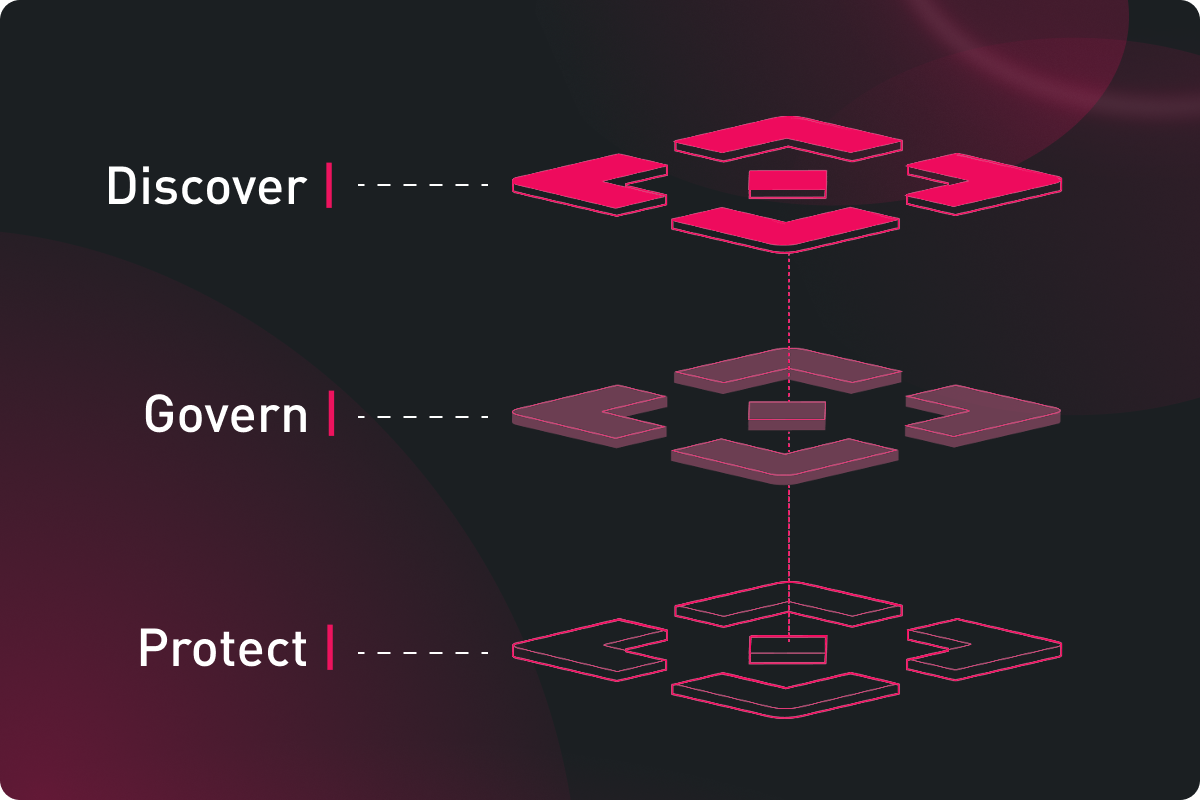
What AI Agent Security Helps You Control
Controls for the agents your organization builds and deploys, from inventory and risk assessment to runtime protection and action control.
Agent Discovery and Inventory
Identify agents running across supported cloud and low-code platforms and build a clearer view of the enterprise agent estate.
Per-Agent Risk Assessment
Assess risk across agent metadata, usage, tools, skills, MCP servers, and connected components.
Tool and MCP Access Control
Govern which tools and MCP servers agents can use, with allow and deny controls for runtime enforcement.
Agent Action Control
Evaluate agent tool calls and actions in context, helping block unsafe or unauthorized behavior at runtime.
Prompt Attack and Data Protection
Help detect prompt attacks, indirect injection, and sensitive data exposure across agent prompts, responses, and tool use.
Unauthorized Action Detection
Detect agent actions that fall outside user intent, policy, or approved workflows.
What We Protect Against
AI Agent Security helps reduce risk across the agent lifecycle, from unknown or risky agents to prompt attacks, data exposure, unsafe tool use, and unauthorized actions.
- Unknown or ungoverned agents deployed across cloud and low-code environments.
- Risky tools, permissions, MCP servers, connected systems, and unsafe agent actions.
- Prompt injection, indirect prompt injection, data exposure, harmful outputs, and policy violations.
Trusted by Teams Building AI at Scale

“The Lakera team has accelerated our GenAI journey, allowing us to create secure GenAI experiences at scale.”
-Adrian Wood
Security Engineer,
Dropbox

“This partnership enables us to safely innovate with AI in money transfers, financial services, and customer support.”
-Dave Hannigan
CISO,
Nubank
AI Moves Fast. Your Firewall Should Too.
Extend the AI Defense Plane to the Check Point Firewall you already run.
Explore AI Agent Security Resources
AI Agent Security Enterprise Playbook
How to assess and secure AI agents in production.
Gartner on AI Application Security
How to secure Al applications with testing, runtime protection, and discovery.
FAQs
AI Agent Security helps protect AI agents that organizations build, deploy, or use across business workflows. This includes agents that interact with users, process enterprise data, connect to tools and systems, or take actions on behalf of the organization. It helps reduce risks such as prompt injection, sensitive data exposure, unsafe agent behavior, unauthorized actions, and harmful or non-compliant outputs.
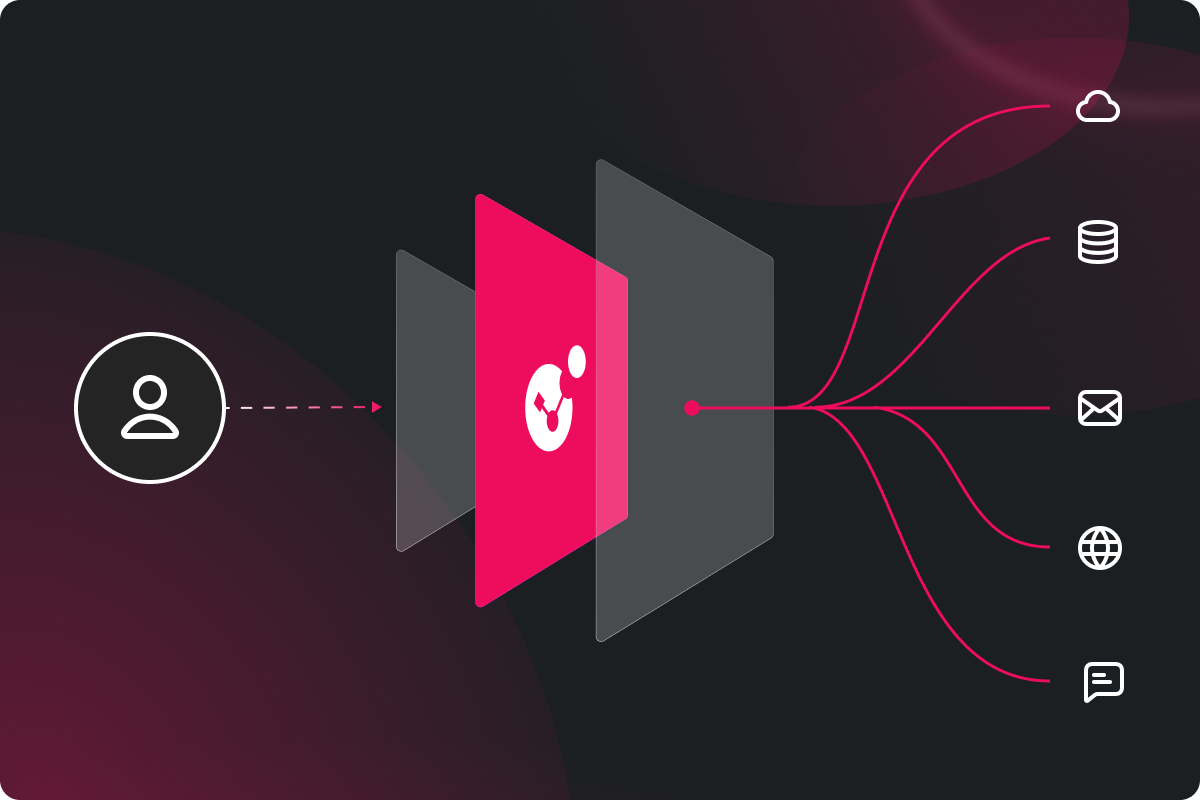
AI Agent Security acts as an inline enforcement layer for AI agent interactions. It can inspect prompts, model responses, external content, and agent tool calls in real time, then apply security and governance policies before sensitive data is exposed, unsafe outputs are returned, or risky actions are executed.
The main threats include prompt injection and jailbreak attempts that manipulate model behavior; sensitive data exposure in prompts, responses, or connected content; unsafe or unauthorized agent actions across tools, APIs, and enterprise systems; indirect attacks hidden in files, websites, or third-party content; and harmful, inaccurate, or non-compliant outputs that traditional security controls may not detect.
Yes. AI Agent Security is designed to support different AI models and providers, helping organizations apply consistent security and governance policies across their AI agent ecosystem. This helps protect agents as AI architectures evolve, without relying on a single model provider.
AI Agent Security helps prevent sensitive data exposure by detecting and enforcing policies across prompts, responses, and agent-connected content in real time. Depending on the policy, sensitive information can be blocked, redacted, or controlled before it is sent to a model, returned to a user, or used by an agent to trigger an action.


