White Paper | Check Point Guide to SaaS Security

White Paper | Check Point Guide to SaaS Security

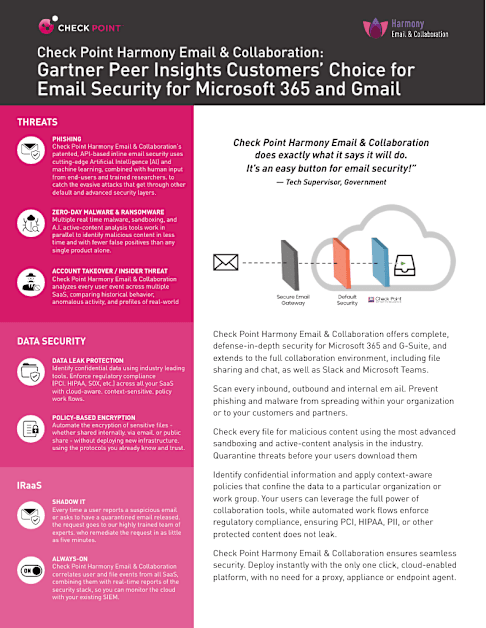
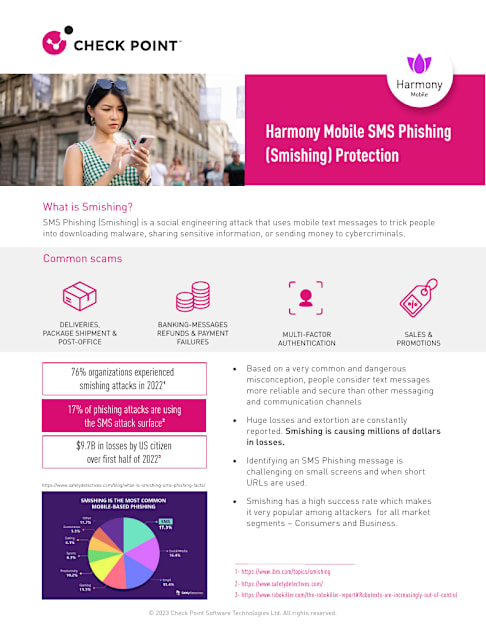
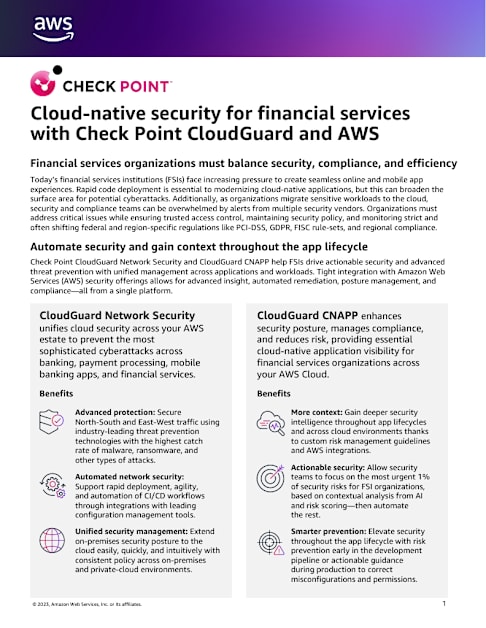
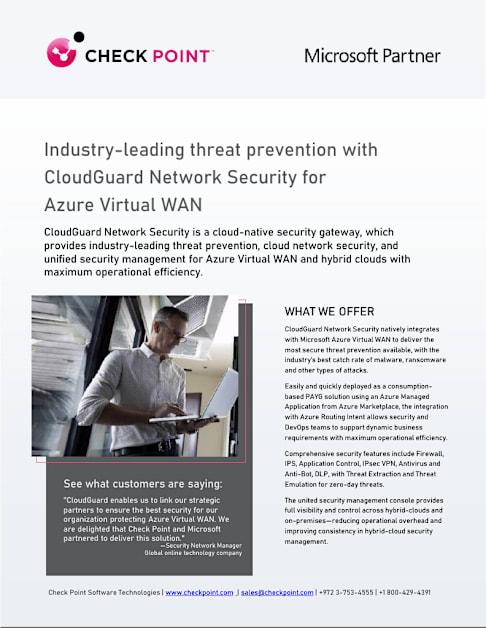
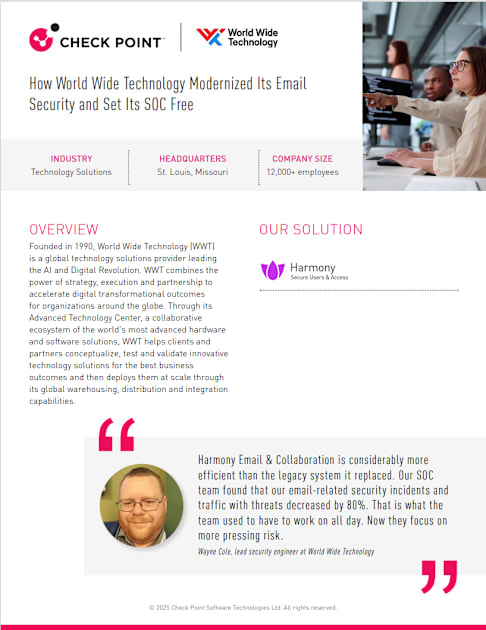
Harmony SaaS secures cloud apps with AI-driven anomaly detection, automated threat containment, and third-party risk management—ensuring data protection. This white paper explores modern SaaS security challenges and outlines a layered approach to mitigating threats, managing user access, and securing app-to-app connections. Learn how to protect your SaaS ecosystem effectively. Download the white paper.
White Paper | Check Point Guide to SaaS Security

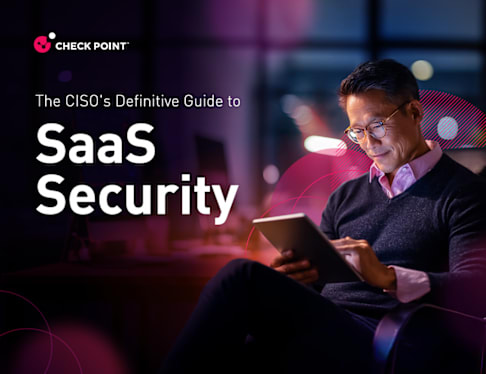
The Check Point Guide to SaaS Security

2THE CHECK POINT GUIDE TO SAAS SECURITY

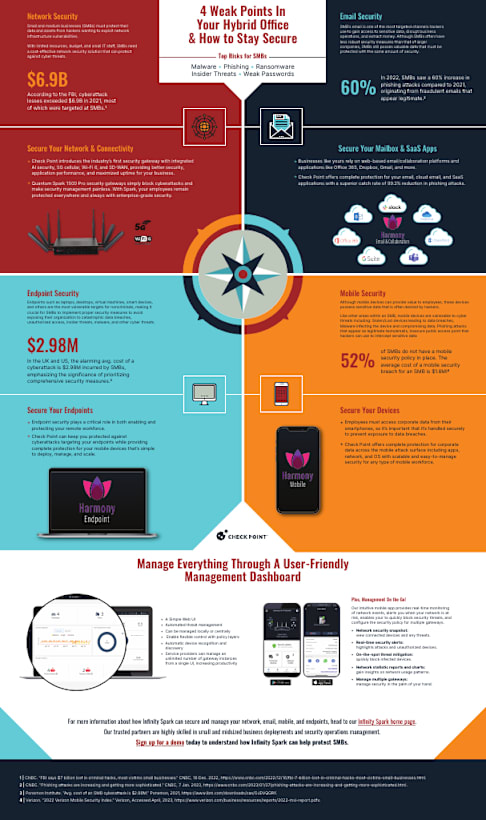
Securing enterprise networks is a beast of a task. This challenge has only grown with the shift to cloud-based services, remote work, and the widespread adoption of software-as-a-service (SaaS) applications. As businesses offload local software for cloud-based services, their workforce can access key company resources and data from anywhere.

This brings immense flexibility and operational efficiency; however, it also introduces significant security challenges that cannot be ignored. About 43% of organizations say they’ve experienced one or more security incidents due to misconfigured SaaS.1

IT teams must have full visibility into which SaaS applications are in use within their organization, understand what kind of company data is being handled, and ensure they control how users are accessing and managing this data. It’s not just about securing access—it’s about having the ability to enforce policies, prevent unauthorized behavior, and protect sensitive information wherever it resides.

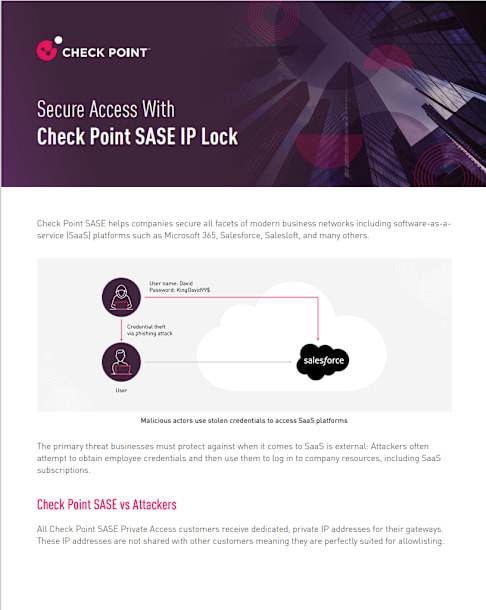
SaaS security is all about knowing who’s accessing your data and stopping threats in their tracks.

SaaS security today requires a layered approach that goes beyond traditional access management. It must address multiple layers of security, including identifying unusual behaviors, automating threat responses, and ensuring proactive defense measures.

Key Capabilities of SaaS Security Behavorial Anomaly Detection

An AI-driven engine can detect threats across SaaS environments by identifying unusual behavior from both user and non-human identities such as APIs and service accounts. This comprehensive anomaly detection not only uncovers suspicious activities but also bolsters Data Loss Prevention (DLP). It does so by preventing unauthorized data access or transfers that may result from compromised accounts or misconfigured permissions.

Automated Threat Containment

Automated processes are essential for detecting and stopping potential threats, from data theft to account takeovers, with minimal manual intervention. Automated containment helps in real-time DLP by stopping potential data exfiltration attempts as soon as they’re detected.

Compliance and Reporting

Comprehensive reporting is crucial for compliance, providing actionable insights on user activity, integrations, and access tokens. This helps organizations ensure they meet regulatory requirements and maintain visibility into SaaS usage.

1. Cloud Security Alliance - New Cloud Security Alliance Survey Finds SaaS Misconfigurations May Be Responsible for Up to 63 Percent of Security Incidents, April 12, 2022

3THE CHECK POINT GUIDE TO SAAS SECURITY

User Access Management

• Identity Permissions and Misconfigurations: Managing user identities, correcting permissions, and remediating configuration issues are key components of securing SaaS environments. Monitoring identity permissions helps ensure that data access remains compliant with internal policies and regulations, reducing the risk of data leaks from unauthorized users.

• Proactive Threat Prevention: User access management helps reduce the attack surface, particularly through practices like enforcing multi-factor authentication (MFA) and limiting admin access. This proactive approach ensures that access to sensitive data is limited to those who need it, thereby minimizing potential risks.

Quick Time-to-Value Efficient deployment and fast protection capabilities are essential for organizations that need to implement security measures quickly and effectively. A streamlined approach ensures that companies can begin protecting their SaaS environments without lengthy setup times.

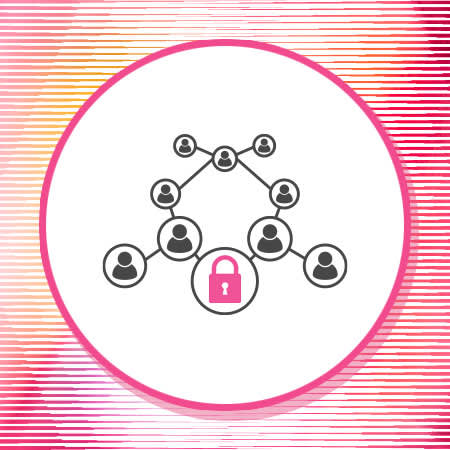
The Bigger Picture: App-to-App Security Managing SaaS ecosystems effectively must also go beyond user access control by securing the interconnectivity between various applications. The security of sanctioned SaaS applications is not only determined by the protection you apply to them directly. When these applications are linked to third-party SaaS apps—often to enhance functionality and boost productivity—the vulnerabilities of those third-party apps are also brought into your ecosystem. This creates a web of interconnected security risks as seen in Fig. 1.

To effectively manage these risks, visibility is key. Check Points’s SaaS Security provides organizations with the capability to detect all third-party SaaS applications connecting to their core environment. This helps IT teams mitigate potential threats by gaining a full picture of the organization’s extended SaaS attack surface.

Once discovered, each third-party SaaS application is assessed for potential security risks based on a variety of factors, including behavior patterns, reputation, compliance adherence, and implemented security protocols. The capability for real-time protection is also crucial. SaaS Security continuously monitors these third-party connections for evolving risks, leveraging AI to analyze behaviors and identify emerging threats. If a third-party application begins exhibiting suspicious activity, it can be swiftly cut off, reducing the chances of data leaks or malicious intrusions.

Fig. 1.

4THE CHECK POINT GUIDE TO SAAS SECURITY

Embrace the Next Level of SaaS Security As organizations increasingly leverage SaaS to drive productivity, collaboration, and operational efficiency, the need for comprehensive SaaS security grows exponentially. Modern SaaS security is about more than just user access; it’s about securing the entire flow of information, from users to applications and between the apps themselves. Check Point’s SaaS Security delivers this end-to-end protection with AI-based anomaly detection, automated threat containment, identity permissions management, and robust third-party SaaS security.

By adopting Check Point’s SaaS Security, organizations can ensure that they are not only managing access but also protecting against threats introduced by third-party integrations. It’s about securing data wherever it resides and ensuring that the productivity gains offered by SaaS aren’t undermined by unmanaged risk.

Check Point helps you manage SaaS risk confidently, keeping your data secure while enhancing business agility.

Take the next step toward a truly secure SaaS environment. See our SaaS Security in action.

Worldwide Headquarters 5 Shlomo Kaplan Street, Tel Aviv 6789159, Israel | Tel: +972-3-753-4599 U.S. Headquarters 100 Oracle Parkway, Suite 800, Redwood City, CA 94065 | Tel: 1-800-429-4391 www.checkpoint.com

Book a Demo

https://pages.checkpoint.com/harmony-saas-demo.html


Item Type: pdf