Check Point Data Loss Prevention (DLP)
Check Point Data Loss Prevention (DLP) pre-emptively protects your business from unintentional loss of valuable and sensitive information.
Integrated in Check Point Next Generation Firewalls (NGFW), network DLP enables businesses to monitor data movement and empowers your employees to work with confidence, while staying compliant with regulations and industry standards.


Track Data
Movement
Tracks and controls any type or format of sensitive information in motion, such as e-mail, web browsing and file sharing services.
Pre-emptive Data
Loss Prevention
Educates and alerts end-users on proper data handling without involving IT/security teams, and allows for real-time user remediation.

Easy to Deploy
and Manage
Centrally managed across your entire IT infrastructure from a single console. Leverages out-of-the-box best practice policies.
Product Specifications
Prevent Unintentional Data Loss
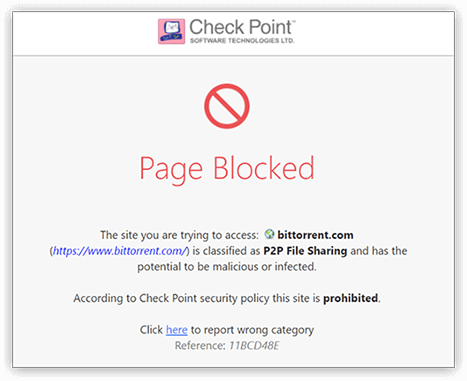
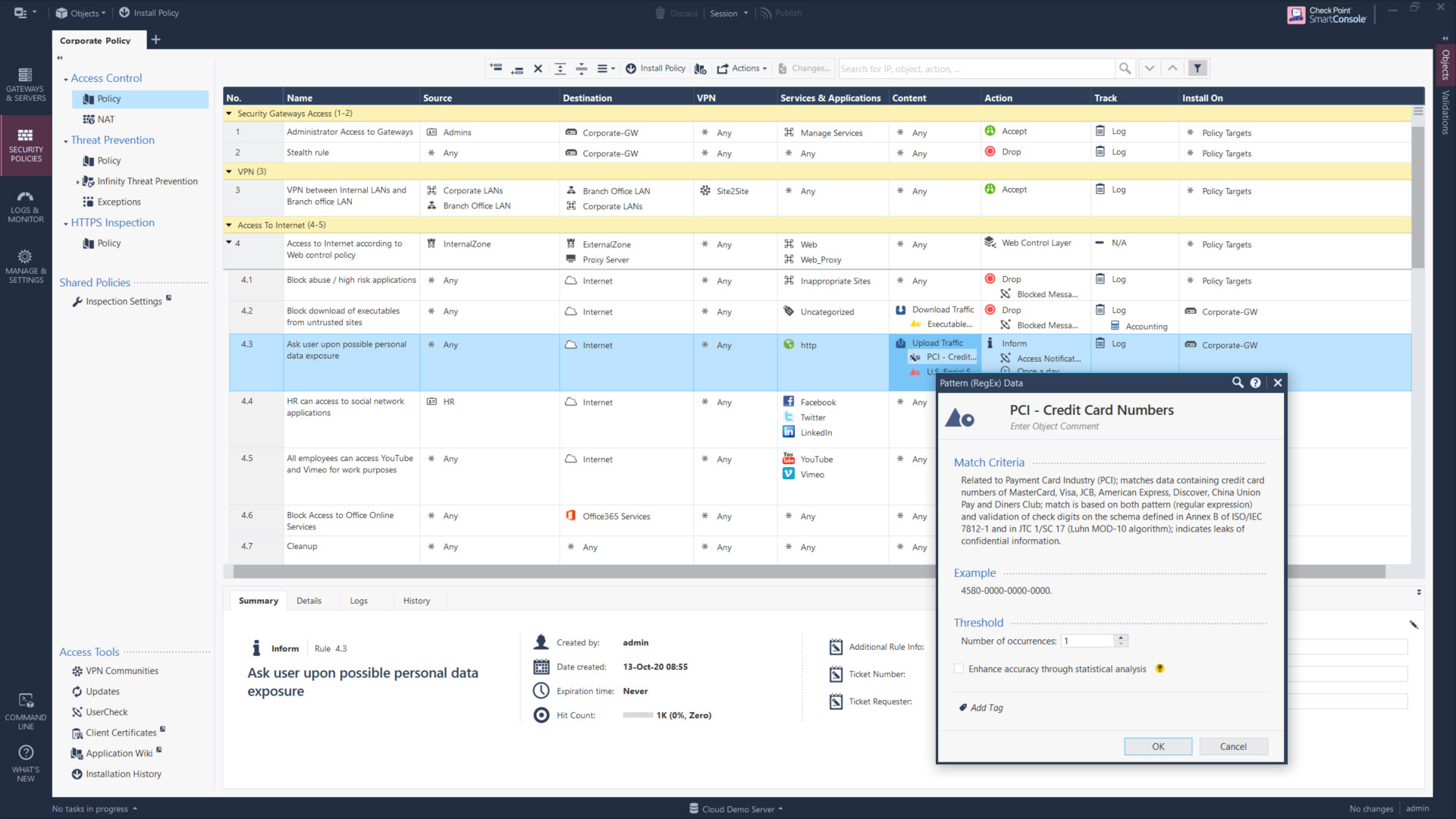
Many data loss incidents can be prevented by simply notifying the user they are about to send sensitive data to an unauthorized user. The data loss rule action can be Inform or Ask, giving the user the option to enter a justification for sending the file.
Predefined and Custom Data Types
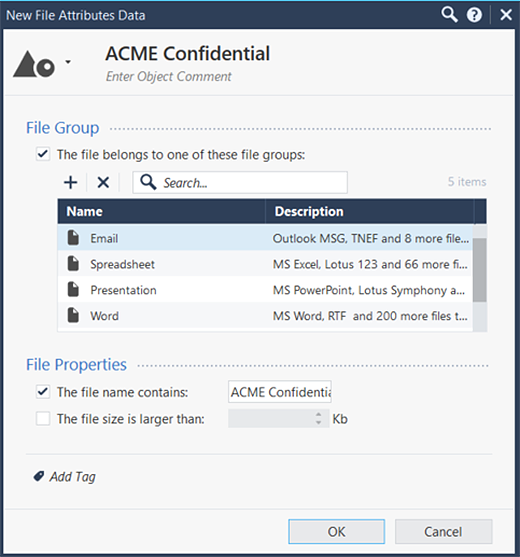
Choose from over 60+ (Content Awareness) or 500+ (DLP) predefined data types. Create additional data types based upon file attributes, keywords, weighted keywords, RegEx patterns or combinations of these. DLP also supports fingerprinting data at rest, matching documents based upon a corporate template and more complex rules using cpcode scripting language.
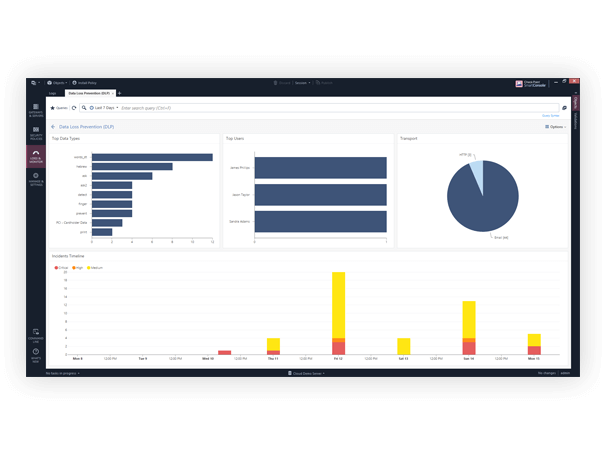
360° Visibility and Reporting
Achieve an unmatched level of visibility to monitor and detect data loss security incidents. Check Point Data Loss Prevention seamlessly integrates with SmartEvent, enabling Check Point customers to monitor and report only what is important.
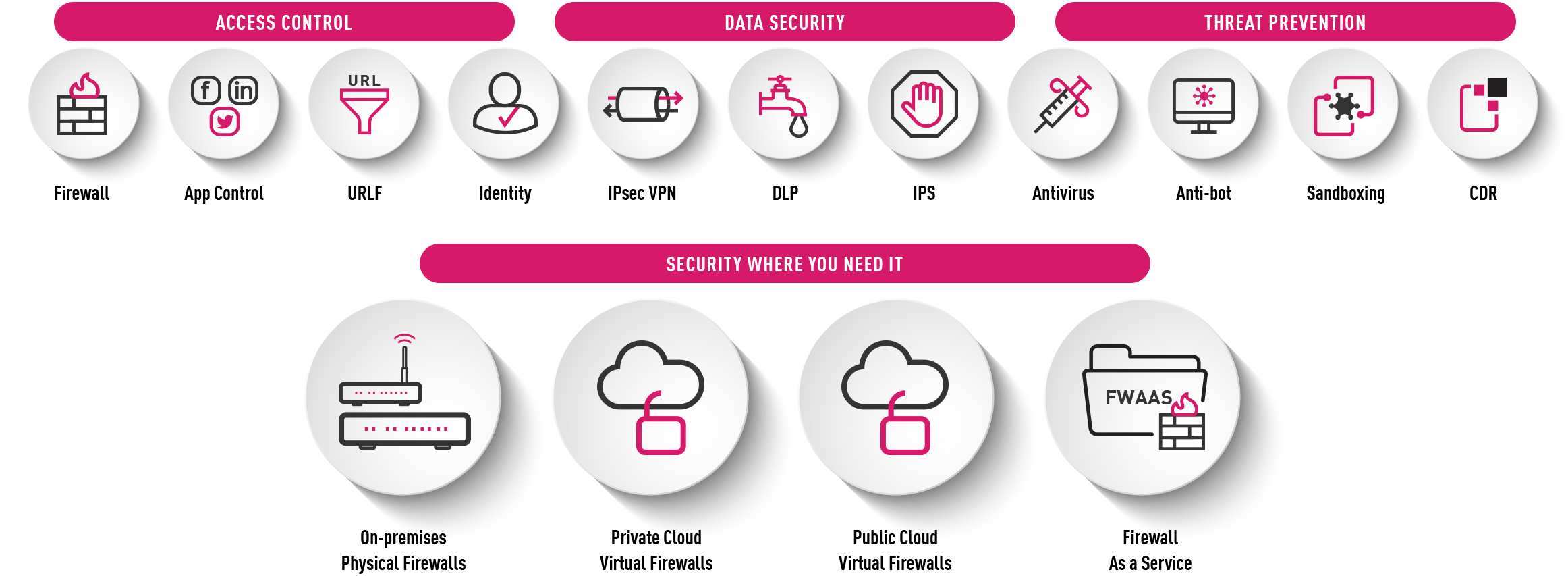
A Next Generation Firewall for Any Deployment
Two DLP Options to Choose From
Content Awareness
- 60+ predefined data types
- Directional (inbound and outbound) control of data
- Part of the Unified Policy, with IPv6 and Virtual System support
- Can be used as a policy layer in the Unified Policy
DLP
- 500+ predefined data types
- Advanced data types, e.g. fingerprinting data-at-rest
- Predefined policy set to monitor and learn how data is used first
- Scan internal Exchange communications
- Data owner auditing
Content Aware Unified Policy
Implement Zero Trust Security
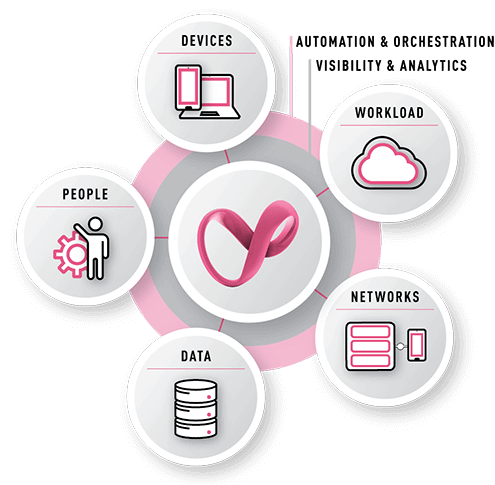
Zero Trust Data
Zero Trust is all about protecting the data while it is shared continuously between workstations, mobile devices, application servers, databases, SaaS applications, and across the corporate and public networks.
Check Point delivers multi-layered data protection, that preemptively protects data from theft, corruption, and unintentional loss, wherever it is. Data Loss Prevention (DLP) in NGFWs tracks and controls data movements across the network to ensure sensitive information does not leave the organization.

“With Check Point Data Loss Prevention (DLP) we can now monitor incoming and outgoing traffic for the first time.”
-Christoph Andreas, IT Systems & Support Team Leader,
Optimal Media
2026 Cyber Security Report
Geo-political conflicts trigger all-time high for cyberattacks.
See more trends and insights.